As a homeowner in Oklahoma City, you know how important it is to have a reliable heating system, especially during the colder months. With unpredictable weather in Oklahoma, your heating system works hard to keep your home warm and comfortable. But what happens when your heater breaks down or stops working as efficiently as it should? Heating repairs can be costly, but with a little planning and maintenance, you can reduce your repair costs. In this guide, we’ll show you how to lower your heating repair costs and ensure your system stays in top condition.
Why Heating Repair Costs Matter in Oklahoma City
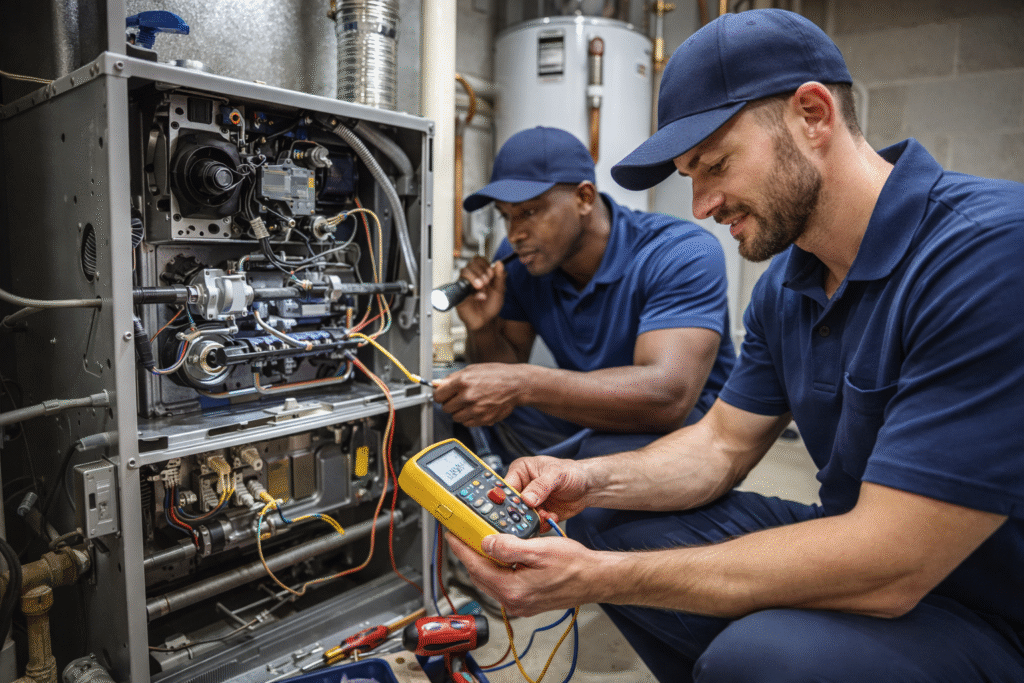
Oklahoma City experiences cold winters, which means heating systems are essential to keeping your home comfortable. If your heating system breaks down or doesn’t work efficiently, it can lead to uncomfortable living conditions and higher energy bills. Plus, emergency repairs can cost significantly more than regular maintenance or minor repairs.
By understanding the factors that influence heating repair costs, you can take proactive steps to reduce expenses and keep your system running smoothly. Whether you need a minor repair, a major service, or are looking to replace your old system, this guide will help you navigate the costs associated with heating repairs in Oklahoma City.
Factors That Influence Heating Repair Costs in Oklahoma City
Several factors affect the cost of heating repairs in Oklahoma City. Below are the key elements that can influence how much you’ll pay for repairs or replacement.
1. Type of Heating System
The type of heating system you have in your home will directly impact the cost of repairs. Some systems are more complex and require specialized knowledge to repair, while others are simpler and easier to fix. Here are the most common types of heating systems in Oklahoma City and their associated repair costs:
- Gas Furnaces: Common in Oklahoma City homes, gas furnaces are typically cost-effective to repair, but parts like the blower motor or heat exchanger may require more expensive repairs.
- Repair Costs: $150–$1,500
- Repair Costs: $150–$1,500
- Electric Heat Pumps: These systems provide both heating and cooling, but repairs can be more expensive if the compressor or refrigerant needs replacing.
- Repair Costs: $200–$2,000
- Repair Costs: $200–$2,000
- Boilers: Used in larger homes or commercial buildings, boilers are more complex systems and can have higher repair costs if something goes wrong.
- Repair Costs: $300–$3,000
- Repair Costs: $300–$3,000
Each system has its own set of repair costs, so it’s important to understand which type you have when planning for potential repairs.
2. Age of Your Heating System
The age of your heating system plays a big role in how much you’ll pay for repairs. Older systems are more likely to break down and may require more expensive parts, as some components might be difficult to find. Additionally, older systems are generally less energy-efficient, which can lead to higher energy costs.
If your heating system is over 10–15 years old, it may be time to consider upgrading to a new, more efficient system to avoid frequent repairs and high energy bills.
Replacement Costs for Old Systems:
- Gas Furnace Installation: $3,500–$6,500
- Heat Pump Installation: $4,500–$8,000
- Boiler Installation: $7,000–$15,000
Investing in a new system may come with a higher initial cost, but it can save you money on repairs and energy bills in the long run.
3. Type of Repair Needed
The type of repair required will also determine how much you’ll pay. Some issues are minor and can be resolved quickly and affordably, while others may require more in-depth work and expensive parts. Here’s a breakdown of common heating system repairs and their typical costs:
Common Heating System Repair Costs:
- Thermostat Replacement: $100–$250
- Blower Motor Replacement: $400–$900
- Pilot Light/Ignitor Issues: $150–$250
- Heat Exchanger Replacement: $600–$1,500
- Compressor Replacement: $1,000–$1,500
By identifying problems early, you can often prevent more expensive repairs from being needed.
4. Emergency Service Repairs
If your heating system fails during an unexpected cold snap or outside of regular business hours, you may face higher costs for emergency service. HVAC companies typically charge more for after-hours, weekend, or holiday service calls, so it’s best to schedule repairs during normal business hours if possible.
Emergency Service Call Costs:
- Standard Service Call: $89–$125
- After-Hours Service: Additional $100–$250
While it’s impossible to predict when a heating emergency might occur, regular maintenance can help prevent these situations from happening in the first place.
How to Reduce Heating Repair Costs in Oklahoma City
While heating repairs are sometimes unavoidable, there are several steps you can take to reduce the cost of repairs and prevent future issues.
1. Schedule Regular Maintenance
The most effective way to reduce heating repair costs is by scheduling regular maintenance. Annual maintenance checks can catch small issues before they become larger, more expensive problems. A simple tune-up can improve the efficiency of your system, extend its lifespan, and lower your energy bills.
Heating System Maintenance Includes:
- Cleaning the burners and heat exchanger
- Replacing the air filter
- Checking for leaks or blockages
- Testing the thermostat
- Inspecting the ducts and vents
Maintenance Costs:
- Annual Tune-Up: $99–$169
- Complete System Inspection: $150–$300
By investing in regular maintenance, you can keep your heating system running efficiently and avoid costly emergency repairs.
2. Upgrade to an Energy-Efficient System
Older heating systems are more prone to breakdowns and are often less energy-efficient. If your system is nearing the end of its life, it may be worth upgrading to a new, energy-efficient model. Newer systems can reduce your heating bills and require fewer repairs.
Energy-Efficient System Installation Costs:
- High-Efficiency Gas Furnace: $3,500–$6,500
- Energy-Efficient Heat Pump: $4,500–$8,000
- Ductless Heating System: $2,500–$5,500 per zone
While the upfront cost of installation can be higher, upgrading to a newer system can provide significant long-term savings.
3. Improve Home Insulation
Poor insulation is one of the leading causes of heating system strain. If your home isn’t properly insulated, your heating system has to work harder to maintain a comfortable temperature. Upgrading your insulation can improve efficiency, reduce heating costs, and lessen the burden on your system.
Insulation Replacement Costs:
- Attic Insulation: $1.50–$3.00 per square foot
- Wall Insulation: $1.80–$4.00 per square foot
Upgrading insulation can improve your heating system’s performance and extend its lifespan.
4. Fix Small Problems Early
If you notice any strange noises, uneven heating, or other signs of trouble with your heating system, it’s important to address them quickly. Minor issues, such as dirty filters or a malfunctioning thermostat, are relatively inexpensive to fix, but if left unaddressed, they can lead to larger, more costly repairs.
Frequently Asked Questions (FAQs)
1. How often should I schedule heating system maintenance?
It’s recommended to schedule heating system maintenance once a year, preferably before the cold weather arrives.
2. What are the signs that my heating system needs repair?
Common signs include strange noises, inconsistent heating, or the system not turning on.
3. How much does heating system maintenance cost?
Heating system maintenance typically costs between $99 and $169 for a basic tune-up.
4. How long does a heating system last?
With proper maintenance, most heating systems last 15–20 years.
5. How much does it cost to replace a furnace?
Replacing a furnace typically costs between $3,500 and $6,500, depending on the size and type of system.
6. Can I reduce heating repair costs?
Yes, regular maintenance, upgrading to an energy-efficient system, and improving insulation can all help reduce heating repair costs.
7. What is the difference between a furnace and a heat pump?
A furnace uses gas or electricity to heat air, while a heat pump moves heat from one place to another and can be used for both heating and cooling.
8. Are there any tax credits for upgrading to an energy-efficient heating system?
You may be eligible for tax credits or rebates for installing energy-efficient systems. Check with your HVAC contractor or local utility provider for available incentives.
9. How can I improve my home’s energy efficiency?
Regular maintenance, upgrading insulation, and installing energy-efficient systems are all effective ways to improve energy efficiency.
10. Should I repair or replace my old heating system?
If your system is over 15 years old and requires frequent repairs, it may be more cost-effective to replace it with a newer, energy-efficient model.
Contact Us for Heating Repair in Oklahoma City
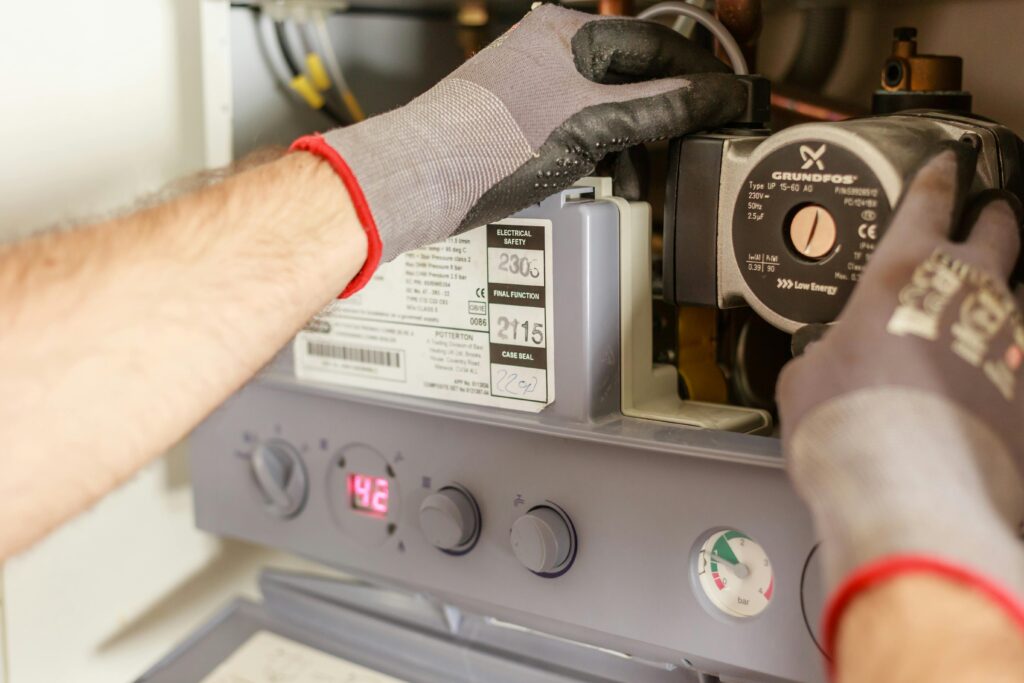
Understanding how to reduce heating repair costs in Oklahoma City is essential for homeowners looking to save money and keep their systems running smoothly. At [Your Company], we offer reliable heating system maintenance, repair, and installation services to ensure your home stays warm and comfortable. Contact us today to schedule your service or get a free estimate for your heating system needs.