Knowing when to replace heating and air conditioning systems is one of the most important parts of maintaining comfort and efficiency in your home. While most homeowners focus on repairs, there comes a point when constant maintenance costs more than investing in a new, energy-efficient unit.
Understanding the signs that it’s time for HVAC replacement can save you thousands of dollars in energy bills, emergency repairs, and overall discomfort especially during Oklahoma’s hottest summers and coldest winters.
How Long Do HVAC Systems Last?
One of the first steps in knowing when to replace heating and air conditioning is understanding how long these systems typically last. Most heating and air conditioning systems last 10 to 15 years on average. The lifespan depends on how often it’s maintained, the quality of installation, and how heavily it’s used.
- Central air conditioners: Around 12 to 15 years
- Furnaces: Typically 15 to 20 years
- Heat pumps: Around 10 to 12 years
If your system is older than that range, it’s time to start planning to replace heating and air conditioning before it breaks down completely.
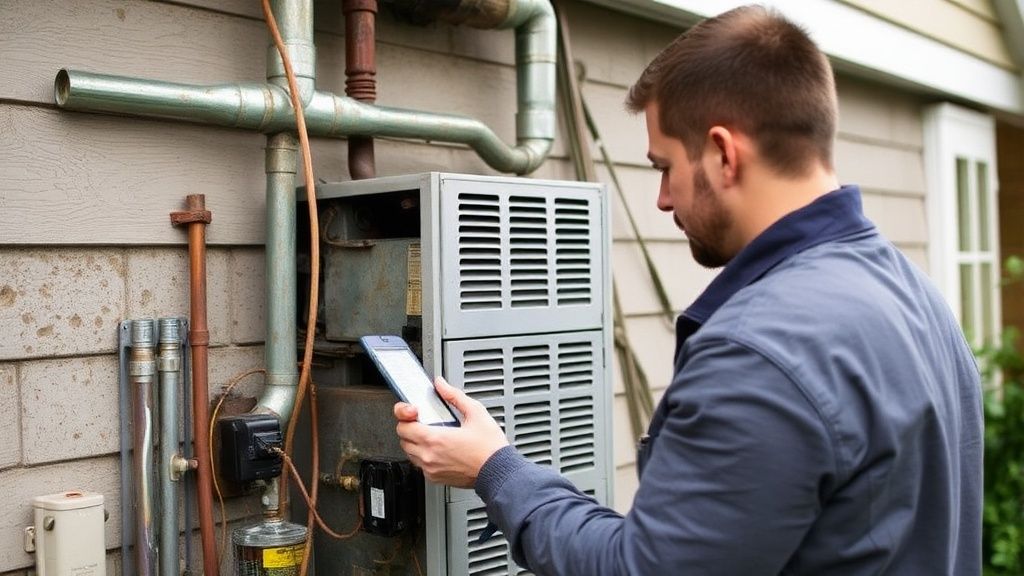
Top Signs It’s Time to Replace Heating and Air Conditioning
If you’re unsure when to replace heating and air conditioning, watch out for these warning signs that your system might be on its last legs:
- Rising Energy Bills: Older HVAC units lose efficiency and consume more energy.
- Frequent Repairs: If you’re constantly calling for repairs, it’s likely cheaper to replace the system.
- Uneven Room Temperatures: Hot and cold spots throughout your home mean your HVAC system is struggling to circulate air properly.
- Strange Noises or Smells: Clanking, rattling, or burning odors can signal serious issues.
- Humidity Problems: If your home feels sticky or dry, your system may no longer manage moisture effectively.
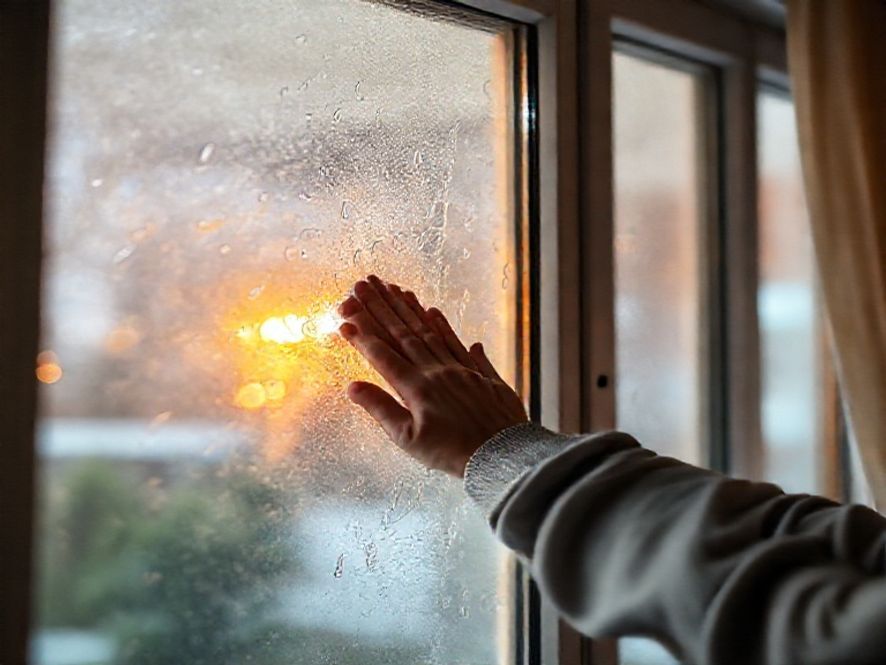
Recognizing these signs early helps you plan when to replace heating and air conditioning instead of dealing with emergency breakdowns in the middle of extreme weather.
When to Replace Heating and Air Conditioning vs. Repairing It
A common dilemma for homeowners is deciding whether to repair or replace their system. You should consider HVAC replacement if:
- The unit is 10 years old or older
- The repair cost is more than half the price of a new system
- You notice inconsistent comfort levels throughout your home
In many cases, replacing an old HVAC system increases energy efficiency, boosts indoor air quality, and reduces noise. Understanding when to replace heating and air conditioning ultimately comes down to cost-effectiveness and performance.
How to Buy Heating and Air Conditioning the Smart Way
Once you know when to replace heating and air conditioning, the next step is choosing the right system. Here’s how to make the best decision:
- Get a Professional Assessment: A licensed HVAC expert can help determine what type and size of system your home needs.
- Choose the Right Size: An oversized unit wastes energy, while an undersized one struggles to keep up.
- Check for ENERGY STAR Ratings: High-efficiency systems can cut your energy bills significantly.
- Ask About Warranties and Rebates: Look for long-term coverage and potential energy rebates.
- Hire Trusted Installers: Proper installation ensures your system performs at peak efficiency for years.

Learning when to replace heating and air conditioning isn’t just about timing but it’s about improving comfort, safety, and efficiency in your home. Replacing your system before it completely fails helps you avoid emergencies, control indoor humidity, and lower utility costs.
If you’re unsure whether your current system needs repair or replacement, schedule an inspection with Oklahoma Heat, Air, and Refrigeration. Their team of licensed professionals can help you assess your system’s condition and guide you toward the best, most efficient solution for your home.