High indoor humidity can make any home feel sticky, warm, and uncomfortable. Knowing how to lower humidity in your house is essential for maintaining good air quality, preventing mold growth, and keeping your cooling system efficient. According to the experts at Oklahoma Heat, Air, and Refrigeration, managing humidity is one of the most important parts of maintaining a healthy and energy-efficient home environment.

What Is Considered High Humidity?
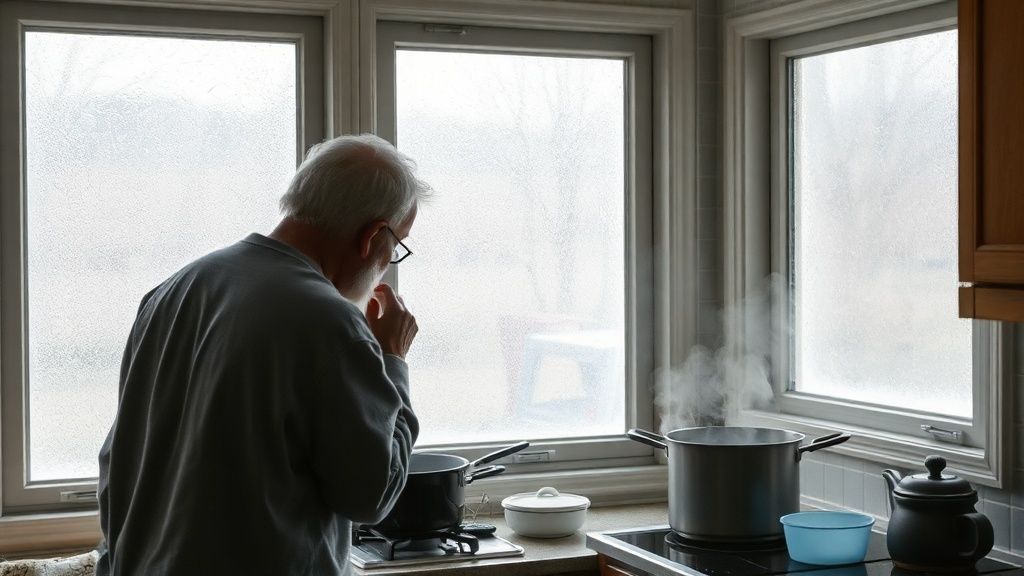
Humidity refers to the amount of moisture in the air. When indoor humidity levels rise above 60%, it’s considered high. At that point, you’ll start to notice musty odors, condensation on windows, or even damp walls and ceilings. High humidity not only makes your home uncomfortable but can also lead to issues like mold growth, wood damage, and increased allergy symptoms.
If your house feels sticky even when the air conditioner is running, or you notice persistent moisture around windows and vents, it’s likely that your indoor humidity levels are too high.
The Ideal Indoor Humidity Level
The ideal indoor humidity level is generally between 30% and 50%, depending on your location and the season. During winter, lower humidity (around 30% to 40%) prevents condensation on windows, while in summer, keeping it closer to 40% to 50% ensures comfort and helps your HVAC system work efficiently.
Maintaining this range improves indoor comfort and air quality while helping protect wooden furniture, electronics, and drywall from moisture-related damage. For most homes in Oklahoma, this balance keeps both your cooling and heating systems from overworking throughout the year.
What Causes Humidity in a House?
Several factors contribute to excess humidity inside a home:
- Poor ventilation: Inadequate airflow traps moisture indoors.
- Cooking and showers: Everyday activities like boiling water or taking long, hot showers release moisture into the air.
- Leaks and damp foundations: Water intrusion from plumbing leaks, roof damage, or poorly sealed basements can raise humidity levels.
- Overworked air conditioning units: When an AC system isn’t properly sized or maintained, it can cool the air but fail to remove enough moisture.
Understanding these causes is the first step toward controlling humidity effectively.
1. Use a Dehumidifier
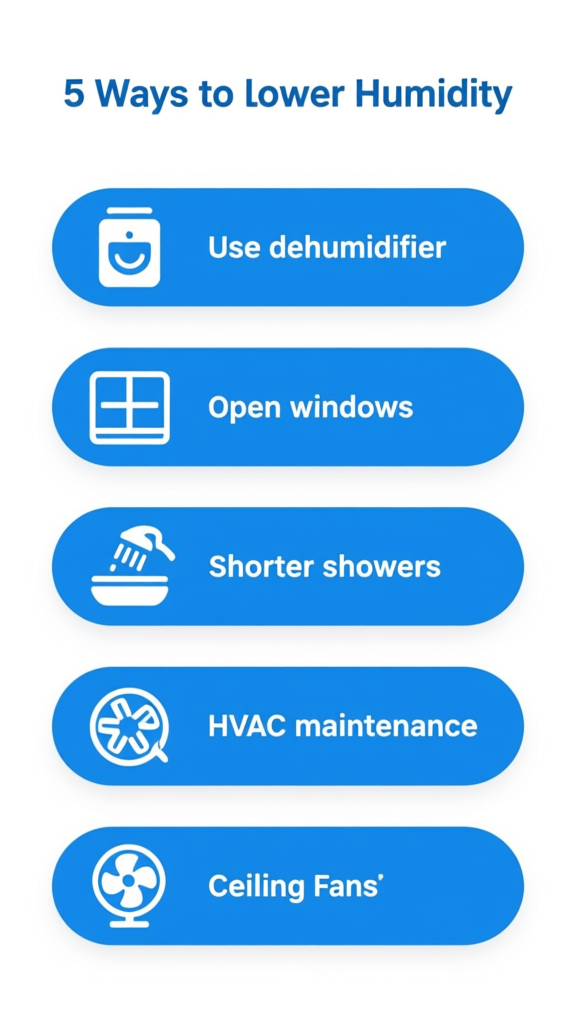
A dehumidifier is one of the most efficient tools for moisture control. It removes excess water vapor from the air, helping to maintain ideal humidity levels. Whole-home dehumidifiers can be integrated into your HVAC system for consistent control throughout the house.
2. Improve Ventilation
Proper ventilation is essential for reducing humidity, especially in areas like kitchens, bathrooms, and laundry rooms. Make sure exhaust fans are vented outside, not just into the attic. Opening windows occasionally can also help fresh air circulate and balance moisture levels indoors.
3. Maintain Your Air Conditioning System
An efficient air conditioner naturally removes moisture while cooling your home. Schedule routine maintenance with Oklahoma Heat, Air, and Refrigeration to ensure filters are clean, coils are clear, and refrigerant levels are correct. A well-maintained system not only improves comfort but also reduces humidity and energy costs.
4. Seal Air Leaks and Insulate
Leaky windows, doors, and ductwork can allow warm, moist air to enter your home. Sealing these gaps and properly insulating your home helps regulate indoor temperature and humidity. Use caulk or weatherstripping to prevent outdoor moisture from creeping in.
5. Use Exhaust Fans When Cooking or Showering
Turn on your exhaust fan during and after cooking or showering to help vent steam outside. This small habit can make a noticeable difference in keeping humidity levels stable throughout the day.
6. Fix Leaks and Water Intrusion
Even small plumbing leaks or basement dampness can lead to excess indoor moisture. Inspect pipes, ceilings, and walls regularly for signs of water damage. Repairing leaks immediately prevents mold growth and keeps humidity from climbing.
7. Use Moisture-Absorbing Materials
Certain natural materials, like charcoal, silica gel, or rock salt, can absorb excess moisture in smaller spaces such as closets or storage rooms. These simple, inexpensive solutions can supplement larger efforts like dehumidifiers.
8. Adjust Daily Habits
Small lifestyle changes can also make a big difference. For instance, air-drying clothes outside instead of indoors, covering pots while cooking, and keeping bathroom doors open after showers can all help lower humidity naturally.
Best Humidity Level for Sleeping
Sleep quality is directly affected by humidity. The best humidity level for sleeping is between 40% and 50%. Air that’s too dry can irritate sinuses and throat, while overly humid air feels heavy and can make breathing difficult. Maintaining the right balance supports better rest, especially during hot Oklahoma summers when moisture tends to linger indoors.
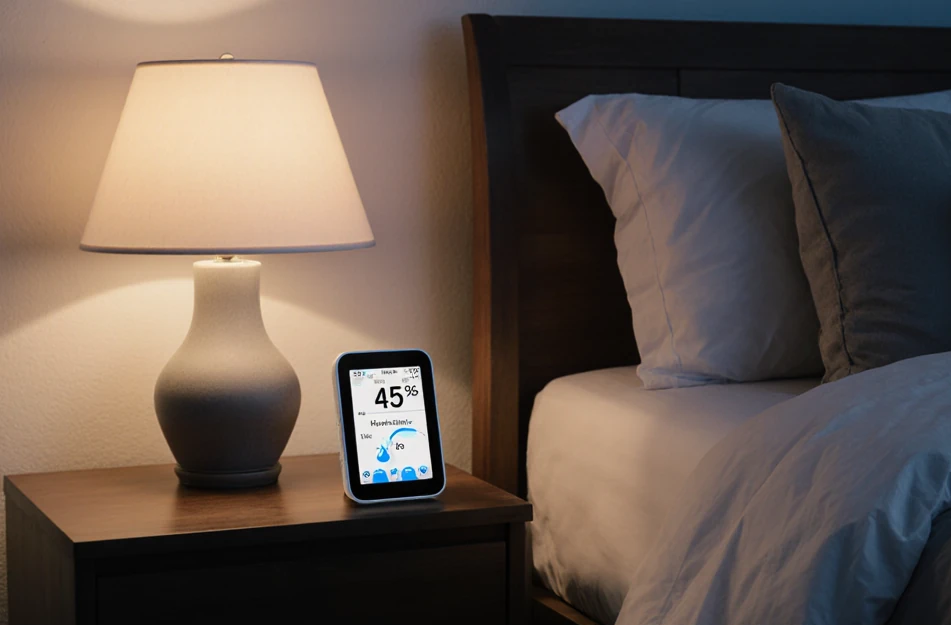
If you often wake up feeling sticky or notice condensation on bedroom windows, your humidity may be higher than ideal. A small bedroom dehumidifier or improved air circulation can make a noticeable difference in sleep comfort.
If your home still feels humid even when the air conditioner is running, it could indicate a problem with your system’s size or performance. Common causes include:
Why Is My House So Humid Even With the AC On?
- An oversized AC unit that cools the air too quickly without properly dehumidifying it.
- Dirty coils or filters that restrict airflow and moisture removal.
- Low refrigerant levels that reduce the system’s ability to extract humidity.
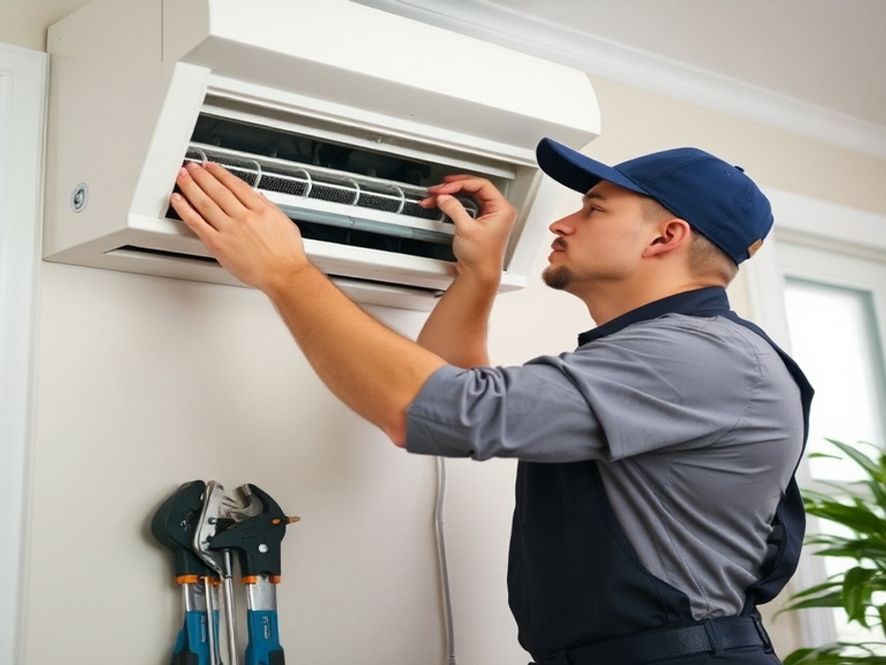
If you suspect your air conditioner is struggling to control humidity, contact Oklahoma Heat, Air, and Refrigeration for an inspection. Their technicians can diagnose issues and recommend long-term solutions, such as recalibrating the system or integrating a dehumidifier.
When to Call a Professional
While homeowners can take several steps to lower humidity, some situations require professional evaluation. If you notice consistent moisture problems, musty odors, or mold growth despite using dehumidifiers and exhaust fans, a certified HVAC technician should assess your system.
Professional services can identify underlying problems such as inadequate ventilation, poor duct design, or inefficient AC performance. Partnering with a trusted HVAC company ensures your entire home stays comfortable, energy-efficient, and free from moisture-related damage year-round.
Learning how to lower humidity in your house is about more than just comfort. It’s about improving air quality, protecting your home’s structure, and keeping your HVAC system running at peak performance. For homeowners in Oklahoma, the team at Oklahoma Heat, Air, and Refrigeration provides expert indoor air quality and humidity control solutions that help you create a healthier, more enjoyable living environment.
And also for additional guidance on maintaining your home’s air quality, visit our Indoor Air Quality Services page or contact our team directly. You can also learn more about humidity and home ventilation through trusted resources like the U.S. Environmental Protection Agency (EPA).